“A fire door must do more than look secure; it must function as intended when needed.”
A fire door can look perfectly normal on the outside and still have issues that affect its performance during an emergency. Loose hinges, damaged seals, faulty door closers, or gaps around the frame can go unnoticed until the door needs to perform its intended safety function. For building managers, regular inspection is therefore an important part of maintaining a building’s overall fire safety arrangements. Checking the door, its hardware, its closing action, and its condition can help identify problems that require attention. When managing properties with Fire Rated Doors in Dubai, understanding what to inspect and when to arrange professional maintenance can support safer building operations and help maintain compliance with applicable fire safety requirements.
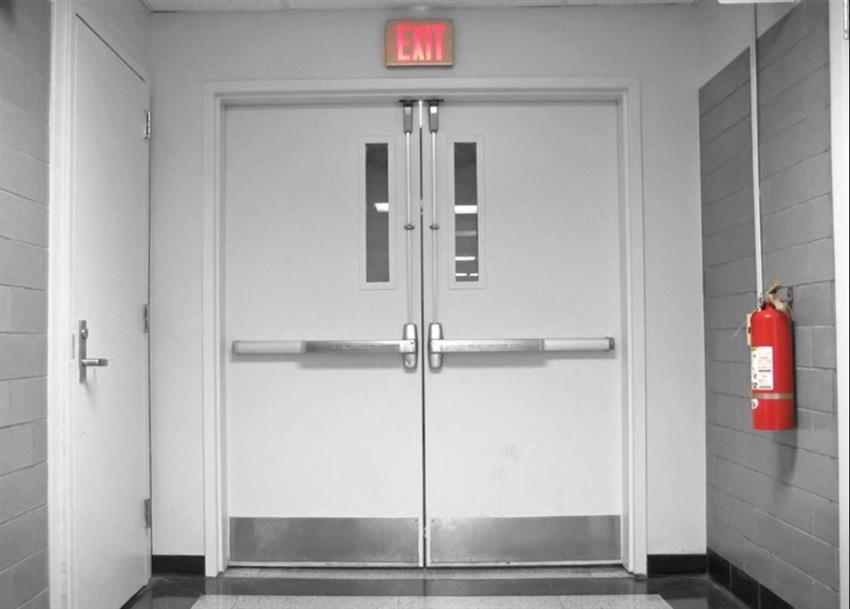
A fire-rated door must be in appropriate condition to meet its fire resistance function in case of a fire emergency. Building managers must periodically inspect the door leaf, frame and surrounding structure for any visible damage or change which may have an impact on the operation of the door. Any minor problems like loose parts, damage edges or unauthorized changes can require attention. Regular checks can help detect defects early on and find out when a professional inspection and/or repair work is required.
A fire door can open and close, and the condition of the hinges is an important aspect of a fire door’s everyday use. Loose screws, broken or worn hinges or fixing points make the door sag, misalign or fail to close. The hinge(s) and the components on which they depend should not be damaged in any way, nor should the hinges be replaced with inappropriate components that do not match the fire door assembly.
A fire door closer is a device that will close a door after it is opened. Then, the latching mechanism assists in keeping the door securely closed, as designed. The door may be partially open if the closer is damaged, incorrectly adjusted or obstructed. Normal operation should be checked by building managers and qualified servicing should be carried out whenever closing or latching issues are observed.
Many fire doors are part of a fire and smoke assembly. They can assist in controlling gaps and they may impede or prevent the spread of smoke depending on their design, or may contribute to the door’s fire resistance, if exposed to heat. Seals that are damaged, missing, painted over or not installed may impact performance. These components should be inspected by the building manager, and repairs/replacement should follow manufacturer’s directions.
The gaps between a fire door and its frame are important because the assembly is designed to work within specified tolerances. Gaps that are too large in number or size can impact seal performance, closing action and latching. Hinges can loosen over time, frames can shift, or the door can become damaged which can cause gaps to increase. All measurements made and adjustments should adhere to a manufacturer’s instructions and fire safety codes.
Installation records and identification labels can aid building owners in determining if a door is the correct fire rated product and if the components are appropriate for that assembly. Wherever possible, labels should be readable, and documents may be used to support label information for the door’s rating, installation, and maintenance. A lack of information or confusion as to what the product is should be directed to a competent professional, not assumed.
It is only valuable to detect a defect if that information is documented and action taken as a result. An inspection record that is clear will assist building managers to see if there are recurring issues, to schedule repairs, and to verify that issues have been addressed. If a door no longer functions as designed, it should be evaluated, by a competent professional, at the earliest opportunity. Repairs should be made to the entire fire door assembly and not just the appearance of the fire door.
A regular inspection program enables building managers to detect wear and damage early on, before it’s too late. The frequency will depend on the risk assessment, use, occupancy, applicable regulations and maintenance arrangements of the building. Fire doors in high usage areas may be used more often and therefore need to be monitored more closely. Inspection needs to be recorded and any faults should be fixed in order of importance.
A fire door is only as dependable as its condition, installation, and ongoing maintenance. Regular inspections help building managers notice small issues before they compromise the door’s ability to close correctly or work as part of the building’s fire safety system. From checking hinges and seals to maintaining documentation and arranging suitable repairs, every step contributes to a more organised safety process. For buildings using Fire Rated Doors in Dubai, establishing a consistent inspection routine and following applicable fire safety requirements can help maintain the intended performance of the doors. By treating inspections as an essential part of building management rather than an occasional task, property teams can support safer environments for occupants and visitors.